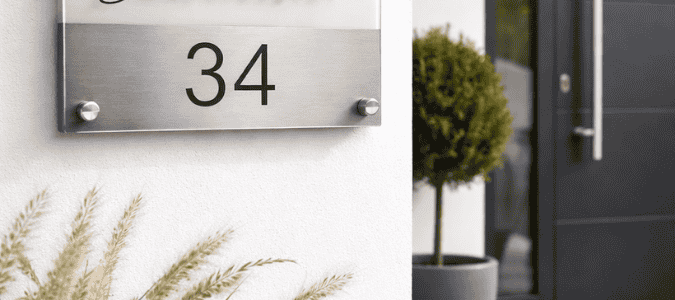
Hausschilder mit Namen – Stilvoll, individuell und nachhaltig
Ein Zuhause erkennt man nicht nur an der Hausnummer, sondern auch an den kleinen Details, die Persönlichkeit ausstrahlen. Genau hier kommen Hausschilder mit Namen ins Spiel: Sie sind Orientierungshilfe, Visitenkarte und Design-Element zugleich. Ob am Einfamilienhaus, an der Wohnungstür im Mehrparteienhaus oder am Gartentor – ein Namensschild zeigt, wer hier lebt, und macht aus einer anonymen Adresse einen Ort mit Charakter.
Gleichzeitig erfüllen Hausschilder mit Namen einen sehr praktischen Zweck. Besucher finden leichter den richtigen Eingang, Paketdienste klingeln nicht mehr bei den Nachbarn, und auch Handwerker oder Freunde müssen nicht lange suchen. Gerade in Straßenzügen mit ähnlichen Fassaden oder bei Eingängen, die nicht direkt zur Straße ausgerichtet sind, kann ein gut platziertes Schild den Unterschied machen. Und nicht zuletzt schafft es etwas, das viele unterschätzen: Es wirkt einladend. Ein sauber gestaltetes Namensschild signalisiert Ordnung, Aufmerksamkeit und ein herzliches „Willkommen“ – ganz ohne ein einziges Wort zu sagen.
Wofür ein Namensschild wirklich steht
Viele denken bei einem Hausschild zuerst an Funktion: Name drauf, fertig. Doch in Wahrheit vermittelt es mehr. Es zeigt, wie man wohnen möchte – modern, klassisch, minimalistisch, verspielt oder besonders hochwertig. Ein schlichtes Schild aus Edelstahl wirkt zurückhaltend und zeitlos, ein Schild aus Holz eher warm und natürlich, eine Acrylglas-Variante modern und leicht. Und ein Messingschild kann, je nach Umgebung, richtig edel und traditionsbewusst wirken.
Dazu kommt die Identitätsfrage: Gerade Familien, Patchwork-Haushalte oder Mehrgenerationenhäuser nutzen Hausschilder mit Namen oft, um Zugehörigkeit sichtbar zu machen. Manchmal stehen mehrere Namen darauf, manchmal ein Familienname, manchmal ergänzt um ein Symbol, eine kleine Linie oder eine dezente Hausnummer. All das kann helfen, ein stimmiges Gesamtbild zu schaffen – und zwar passend zur Fassade, zur Klingelanlage und zum Briefkasten.
Welche Arten von Hausschildern mit Namen gibt es?
Das Angebot ist heute riesig. Um die passende Lösung zu finden, hilft es, die gängigsten Kategorien zu kennen. So wird schnell klar, welche Varianten zu den eigenen Anforderungen passen.
Klassische Namensschilder
Diese Schilder setzen auf klare Linien und gute Lesbarkeit. Oft sind sie rechteckig oder leicht abgerundet, mit einer ruhigen Schrift und einem aufgeräumten Layout. Sie passen gut, wenn du Wert auf zeitlose Optik legst oder wenn das Schild in einem Mehrfamilienhaus in ein bestehendes Erscheinungsbild integriert werden soll.
Moderne Designschilder
Hier steht die Wirkung stärker im Vordergrund. Designschilder spielen mit Typografie, Oberflächen und manchmal auch mit mehreren Ebenen (z. B. durch Abstandshalter oder Materialkombinationen). Sie können sehr minimalistisch sein – oder bewusst auffallen. Besonders beliebt sind Varianten mit schwebendem Effekt, klaren Kontrasten und reduzierter Schrift.
Schilder mit Zusatzinformationen
Manchmal reicht ein Name allein nicht. Dann sind Schilder sinnvoll, die zusätzlich die Hausnummer, den Straßennamen, eine Berufsbezeichnung (z. B. Praxis), ein kleines Icon oder Hinweise wie „Bitte hinten klingeln“ integrieren. Wichtig ist dabei, dass es nicht überladen wirkt. Ein gutes Layout priorisiert Informationen: Name und Hausnummer klar, Zusatzinfos dezent.
Materialwahl: Optik, Haltbarkeit und Pflege
Das Material entscheidet nicht nur darüber, wie das Schild aussieht, sondern auch, wie lange es gut aussieht. Regen, Sonne, Frost, Luftverschmutzung und Berührungen (z. B. beim Putzen der Tür oder beim Paketempfang) wirken täglich auf die Oberfläche ein. Deshalb lohnt es sich, die Unterschiede zu kennen.
Edelstahl
Edelstahl wirkt hochwertig und modern, ist robust und gut für den Außenbereich geeignet. Je nach Oberfläche (gebürstet, poliert, beschichtet) verändert sich die Wirkung: Gebürstet ist besonders beliebt, weil es Fingerabdrücke weniger sichtbar macht und sehr zeitlos wirkt.
Aluminium
Aluminium ist leicht, witterungsbeständig und oft preislich attraktiv. Es lässt sich gut bedrucken oder gravieren und ist in vielen Farben erhältlich – gerade pulverbeschichtete Varianten wirken sehr sauber und modern. Für viele Hausbesitzer ist Aluminium ein idealer Mix aus Optik und Alltagstauglichkeit.
Acrylglas (Plexiglas)
Acrylglas wirkt elegant und leicht. Transparent oder satiniert passt es besonders gut zu modernen Eingängen und lässt sich hervorragend mit Abstandshaltern montieren. In Kombination mit dunkler Schrift oder einem farbigen Hintergrund entsteht ein sehr klarer, edler Look. Wichtig ist nur: Nicht mit aggressiven Reinigern behandeln, damit die Oberfläche dauerhaft schön bleibt.
Holz
Holz bringt Wärme und Natürlichkeit. Gerade bei Landhausstil, Altbau oder Häusern mit viel Grün im Außenbereich kann Holz perfekt passen. Dafür benötigt es etwas mehr Pflege, je nach Wetterlage. Wer Holz wählt, sollte auf wetterfeste Verarbeitung achten und das Schild bei Bedarf nachölen oder nachlasieren.
Messing
Messing wirkt klassisch und kann sehr elegant aussehen. Mit der Zeit kann sich eine Patina bilden – manche mögen genau das, weil es Charakter verleiht. Wer die glänzende Optik erhalten möchte, muss es gelegentlich pflegen. Im passenden Umfeld ist Messing ein echtes Statement.
Schrift, Kontrast und Lesbarkeit: So wird das Schild nicht zur Deko-Falle
Ein Schild kann noch so schön sein – wenn es niemand lesen kann, verfehlt es seinen Zweck. Lesbarkeit ist deshalb ein echter Qualitätsfaktor. Achte auf ausreichenden Kontrast zwischen Schrift und Hintergrund. Dunkle Schrift auf hellem Grund oder helle Schrift auf dunklem Grund ist meist am zuverlässigsten. Zu feine, verschnörkelte Schriften wirken zwar dekorativ, lassen sich aber aus Entfernung oder bei schlechtem Licht oft schwer erkennen.
Auch die Größe spielt eine Rolle. Ein Schild an der Wohnungstür braucht andere Dimensionen als ein Schild am Gartentor. Als Faustregel gilt: Je weiter die typische Betrachtungsdistanz, desto größer sollten die Buchstaben sein. Und denk an die Realität: Regen, Dämmerung, vielleicht ein leichter Schattenwurf – all das macht Lesbarkeit wichtiger als im Online-Entwurf.
Montagearten: Von dezent bis „schwebend“
Die Befestigung beeinflusst sowohl die Stabilität als auch die Optik. Grundsätzlich gibt es drei sehr verbreitete Wege:
1) Schraubmontage: Die klassische Lösung ist besonders stabil. Ideal für Außenwände, Stein, Putz oder Holz, wenn du bohren kannst und eine dauerhaft sichere Befestigung willst.
2) Klebemontage: Praktisch, wenn du nicht bohren möchtest, etwa bei Mietobjekten oder glatten Flächen. Voraussetzung ist ein geeigneter Untergrund und ein hochwertiges Klebesystem. Bei stark strukturiertem Putz ist Kleben häufig schwieriger.
3) Abstandshalter: Abstandshalter sorgen für einen modernen 3D-Effekt. Das Schild wirkt „schwebend“, Schattenlinien machen es optisch hochwertiger. Gleichzeitig erleichtert der Abstand oft die Reinigung, weil sich weniger Feuchtigkeit direkt am Material staut.
Gestaltungstipps: So passt das Namensschild zur Fassade
Ein gutes Namensschild wirkt wie Teil des Hauses – nicht wie ein nachträglich angeklebtes Element. Damit das gelingt, helfen ein paar einfache Prinzipien:
Stil aufnehmen: Bei moderner Architektur passen klare Formen und reduzierte Schrift. Beim Altbau wirken klassische Materialien oder Serifenschriften stimmig. Beim Landhausstil funktionieren Holzoptik, warme Farbtöne und eine weichere Typografie.
Farben abstimmen: Wiederhole Farben, die am Eingang ohnehin vorkommen: Rahmen der Haustür, Briefkasten, Klingelanlage, Geländer oder Lampen. Das schafft Ruhe im Gesamtbild.
Informationshierarchie: Der Name sollte der Blickfang sein. Wenn zusätzlich die Hausnummer drauf soll, ordne sie optisch klar ein, ohne dass alles um Aufmerksamkeit konkurriert.
Positionierung: Idealerweise ist das Schild auf Augenhöhe und gut sichtbar. Wenn der Eingang zurückgesetzt ist, kann ein zweites Schild am Tor oder an der Einfahrt sinnvoll sein.
Hausschilder online gestalten: schnell, sauber, individuell
Viele entscheiden sich heute dafür, das Namensschild online zu konfigurieren – aus gutem Grund. Du kannst Designs vergleichen, Materialien auswählen, Schriften testen und das Ergebnis oft direkt in einer Vorschau sehen. Dadurch wird es leichter, Fehler zu vermeiden, zum Beispiel zu kleine Schrift oder ein Layout, das im Alltag nicht funktioniert.
Wenn du ein Namensschild individuell gestalten möchtest, findest du hier eine passende Anlaufstelle: Hausschilder mit Namen. Dort kannst du verschiedene Varianten durchspielen und dir ein Schild zusammenstellen, das wirklich zu deinem Eingangsbereich passt.
Pflege und Haltbarkeit: So bleibt das Schild lange schön
Damit dein Schild nicht nach zwei Wintern stumpf wirkt, lohnt sich ein bisschen Pflege. Meist reichen schon einfache Routinen: Metalloberflächen gelegentlich mit mildem Reiniger abwischen, Acrylglas nur mit weichen Tüchern behandeln und auf aggressive Mittel verzichten. Holzschilder freuen sich über gelegentliche Pflege, je nachdem, wie stark sie Sonne und Regen ausgesetzt sind. Und bei Messing kann man entscheiden: Patina zulassen oder glänzend halten – beides ist legitim, solange es bewusst geschieht.
Ein zusätzlicher Tipp: Achte bei der Montage darauf, dass Wasser nicht dauerhaft hinter dem Schild stehen bleibt. Ein minimaler Abstand zur Wand kann helfen, Feuchtigkeit schneller abtrocknen zu lassen, was die Lebensdauer erhöht.
Fazit: Ein kleines Detail mit großer Wirkung
Ein Hausschild mit Namen ist mehr als Beschriftung. Es verbindet Funktion mit Persönlichkeit, schafft Orientierung und rundet den Eingangsbereich optisch ab. Wer Material, Lesbarkeit, Montage und Stil bewusst auswählt, bekommt ein Schild, das jeden Tag praktisch ist und gleichzeitig einen sympathischen ersten Eindruck hinterlässt. Ob du es modern und reduziert magst oder klassisch und edel – am Ende zählt, dass es zu dir und deinem Zuhause passt. Und genau das macht ein gutes Namensschild aus: Es ist unaufdringlich, aber eindeutig. Und es sagt: Hier beginnt Zuhause.